


Propps: Digital Business Card
4.24.00 Reviews
App Specs
- Version
- 2.6.2
- Updated On
- License
- Free
- Downloads
- 10,000+
- Developer
- Propps
- Categories
- Business
- Platform
- Android
Screenshots
 Analysis by AppCompare
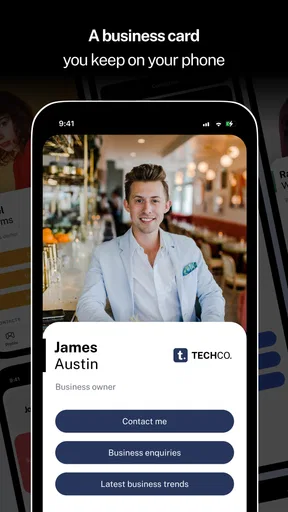
Meeting someone new in business usually creates a small organizational problem that is easy to underestimate. A paper card can disappear into a pocket, a phone contact may miss the context of the meeting, and a social profile can feel too informal for a first introduction. Propps: Digital Business Card approaches that moment as a simple way to connect, share, and keep professional relationships moving from a phone.
I reviewed it as a business app rather than as a novelty contact tool. That distinction matters. A digital card is only useful when it fits into a repeatable habit: prepare it before an event, share it without hesitation, and follow up before the conversation becomes vague. Propps is most interesting when treated as one small part of that system, not as a replacement for every sales, networking, or customer-management tool.
My overall impression is that Propps is best for people who want a lightweight professional identity they can share quickly. It is free to install, available for Everyone, and developed by Propps. The app has reached over ten thousand installs and holds a 4.2 average from around thirty ratings, which suggests a modest but positive user base. I would still approach it as a focused tool: useful for sharing business details, but not something I would expect to manage an entire relationship pipeline.
Turning a messy introduction into a repeatable workflow
I find that a digital card is most useful when it turns the first exchange into a small, consistent routine rather than another item to manage. Before an event, I’d decide what a new contact should remember and what follow-up I’m prepared to make; that keeps sharing purposeful instead of automatic. The next section looks at how that preparation can make the moment itself feel simpler.
What happens before Propps enters the picture
Before using a digital business card, my usual workflow was scattered. I would exchange a physical card, type a name into my phone later, and then try to remember why the person mattered. If the meeting happened at a busy event, that memory was often incomplete by the next morning. The real problem was not the card itself; it was the gap between meeting someone and creating a reliable next step.
Propps makes sense when I prepare that step in advance. Instead of deciding what to send while standing in a crowded room, I can think through the information I want associated with my professional identity beforehand. That preparation changes the interaction. I can focus on the conversation rather than searching for a card, explaining which details are current, or promising to send information later.
This is also where the app’s limits become clear. A digital card does not automatically create a thoughtful follow-up. It can make the exchange cleaner, but I still need a personal note, a reminder, or a clear reason to reconnect. I would not treat sharing the card as the end of networking. I see it as the first small action in a longer routine.
Worth Reading Before You Choose

Flipboard Shows What News Apps Must Do Beyond the Feed

Switching to Android Auto Means Rethinking Your Driving Routine

Google Calendar Makes a Crowded Week Easier to Manage

Ludo King Makes the Most of the Minutes Between Plans

Baby Panda World Brings Quick Play to Modern Phones, but Its Game Library Feels Busy

ESPN’s Live Game View Makes Following Close Games Easier
For a freelancer, consultant, recruiter, salesperson, or small-business owner, that distinction is practical. The app can help present a consistent professional doorway, especially when contact details change or when carrying printed cards is inconvenient. For someone who rarely meets new contacts, a normal phone contact or email signature may be enough and may require less maintenance.
Setting up a useful professional identity
The first useful decision is not visual; it is editorial. I would decide what a new contact should understand within a few seconds. A name and job title are necessary, but they do not explain why someone should remember the interaction. The strongest card is likely to be the one that makes the next conversation obvious without turning the profile into a long biography.
I recommend writing the card for a real situation rather than for every possible audience. A photographer meeting wedding clients may want a different emphasis from a software consultant attending a technology event. If one profile has to serve several roles, keeping the wording broad and clear is safer than filling it with specialized language that only one group understands.
There is a useful trade-off here. A paper card gives me a fixed, physical reminder, while a digital card can be more convenient to share and easier to keep with my phone. The digital approach feels more sustainable when I attend several events or work across locations, but it depends on the recipient being comfortable opening and saving digital contact information. I would keep a simple backup method for situations where a person prefers something tangible.
Because Propps is a business-focused app rather than a full customer relationship platform, I would avoid expecting it to replace a contact database. The card should carry the introduction. My calendar, notes app, or customer-management system should carry the follow-up. Separating those jobs keeps the workflow manageable and prevents the card from becoming overloaded with information it was not designed to organize.
Capturing contacts without creating another inbox
The most important habit is deciding what happens immediately after sharing. If I simply send a digital card and move on, I have not really improved my process. I prefer a two-part routine: share the professional identity during the conversation, then write one private note about the person and the agreed next action as soon as there is a quiet moment.
That note might say why we met, what problem they mentioned, and whether I promised to send something. The detail does not need to be long. Its value comes from preserving context that a name alone cannot provide. Propps can support the exchange, but the context still has to come from me.
A realistic example would be a small business owner attending a local networking evening. Instead of handing out several cards and hoping people remember the meeting, the owner can share the Propps profile when a conversation becomes relevant. Later that night, the owner records a short note for each meaningful contact and schedules only the follow-ups that have a genuine reason behind them. The app handles the introduction; the routine handles the relationship.
This approach also prevents a common mistake: treating every exchanged card as a qualified opportunity. Some contacts are useful only as future references, some are casual acquaintances, and some are not relevant after the conversation ends. I would classify them outside the card itself. That keeps my professional identity clean and stops the sharing process from turning into an uncontrolled collection of names.
For teams, a further consideration is consistency. If several people represent the same business, they should agree on the wording and information they want to present, even if each person has an individual profile. Propps may help each person share their own details, but a shared communication standard still needs to come from the team. That is an organizational decision, not something I would assume the app can make automatically.
Building a routine that survives busy weeks
The best way to use a digital card is to make it boringly repeatable. I would review the profile before an event, use it during conversations where a follow-up is plausible, and check my notes afterward. This takes less effort than trying to reconstruct an entire evening from memory several days later.
A weekly review is also worthwhile for anyone whose role changes often. I would check whether the description still matches my current work, whether the contact path is still appropriate, and whether the profile says what I actually want new business contacts to know. A digital card can be convenient, but convenience does not remove the need for upkeep.
One of the less obvious benefits of this routine is reduced decision fatigue. When I already know what information I share and what I do afterward, I spend less energy improvising. That makes the app more valuable as part of a sustainable productivity system than as a standalone networking trick. The improvement comes from the sequence around the card, not merely from having one installed.
I would also set a boundary around sharing. Sending a professional profile to every person I meet can feel automatic, but it may weaken the meaning of the exchange. I prefer to share when there is a clear professional connection or when the other person asks for a way to stay in touch. Selective sharing produces a more useful contact list and feels more respectful.
Where the workflow can fail
The first failure point is an incomplete or outdated profile. A digital card is more noticeable when something looks wrong because the recipient may assume the information is current. Before relying on Propps at a conference, interview, or client meeting, I would inspect the profile as if I were receiving it for the first time. Unclear wording or old details can undermine the convenience of the exchange.
The second failure point is recipient friction. Not everyone wants another app, another account, or another digital destination. Even when a shared card is easy for me to send, the other person may prefer an ordinary phone number or email address. I would be ready to provide the essential detail directly rather than making the recipient work through my preferred method.
The third is overestimating what the app can remember for me. Propps can be the front door to a professional connection, but it should not be my only record of a conversation. If a contact matters, I would store the relevant context in the tool I already use for tasks or customer notes. That small duplication is worthwhile because it protects the relationship from being lost in a stream of introductions.
There is also a financial consideration. The app is free to download, while in-app purchases range from around two dollars to around one hundred thirty-five dollars per item. I would start with the available free experience and decide whether any paid option solves a real problem in my workflow. A digital card should earn its place through saved time or better follow-up, not because every optional upgrade sounds useful.
Compatibility is another practical check. Propps requires Android 7.0 or later, so most relatively recent Android phones should be suitable, but I would verify the device before planning to depend on it at an important event. The current version is 2.6.2, which gives me a clear version reference when troubleshooting or checking whether my installation is up to date.
Privacy and professional boundaries deserve attention too, even without turning the card into a full personal profile. I would include only information that I am comfortable sharing with a new business contact. A concise professional identity is usually safer and more effective than exposing every possible way to reach me. If I work with clients who require strict separation between personal and business communication, I would make sure the shared details respect that boundary.
How it compares with familiar alternatives
Compared with paper cards, Propps is more convenient when I meet people frequently, move between roles, or need to keep my professional information consistent. Paper still wins when the recipient expects a physical reminder, when connectivity is uncertain, or when a tangible card fits the culture of the meeting. I would not discard paper automatically; I would choose based on the setting.
Compared with simply texting a phone number, a digital business card can give the interaction more professional context. A bare number may be enough for a quick exchange, but it can be difficult to remember later. On the other hand, texting is familiar to almost everyone and generally creates less explanation. If speed and universal familiarity matter more than presentation, a direct message may be the better choice.
Compared with a social networking profile, Propps is more focused on a business introduction. Social profiles often contain personal posts, mixed audiences, and information that changes for reasons unrelated to work. A dedicated professional card can create a cleaner boundary. Still, a social profile may be stronger for showing a portfolio, public work, or ongoing conversation, so I would use the two for different purposes rather than treating them as interchangeable.
Compared with a full customer relationship platform, Propps should feel lighter and easier to bring into an initial conversation. A CRM is the better option when a team needs pipelines, ownership, reminders, reporting, and detailed history. I would choose Propps for the handoff and a CRM for the structured business process that follows. Expecting one small app to do both would create unnecessary frustration.
Who should adopt it and who should skip it
I would recommend Propps to independent professionals who regularly introduce themselves, especially those who work across events, client visits, and informal meetings. It also suits people who dislike carrying printed cards or who want to update their professional details without reprinting a stack of materials. The Everyone age rating makes it broadly accessible, although the practical audience is clearly people with a professional reason to share contact information.
It may be particularly useful for someone who has recently changed roles, started freelancing, or created a small business identity. In those situations, the card becomes a consistent explanation of what the person does and how to continue the conversation. The value is not in collecting contacts indiscriminately; it is in making the first exchange less awkward and the next step easier to remember.
I would skip it if I almost never network, already have a simple and reliable email signature, or need advanced contact management more than a shareable identity. I would also hesitate if my audience strongly prefers paper or if my work requires detailed records, permissions, and team workflows. In those cases, a standard contact method or a dedicated CRM may be a better investment of attention.
My recommendation after using it as a system
Propps: Digital Business Card is a focused business app with a sensible place in a modern contact routine. I like it most when it removes a small point of friction without pretending to solve the entire follow-up problem. Its strongest use is preparing a clear professional introduction, sharing it at the right moment, and then moving the relationship into a more appropriate note, calendar, or customer-management workflow.
The app’s free entry point makes it easy to test, and its positive 4.2 average indicates that early users generally find value in the concept. I would judge it by my own routine rather than by the rating alone: if I meet enough new people to benefit from a consistent digital identity, it is worth trying. If I do not, the ordinary tools already on my phone may be simpler.
My practical advice is to create the profile before you need it, keep the wording short, share it selectively, and record context immediately afterward. Those four choices matter more than treating the card as a magic networking solution. Used that way, Propps becomes a small but useful part of staying organized, following through, and making professional connections easier to maintain.
Pros
- Create and share a professional digital card in seconds.
- Update contact details without reprinting physical cards.
- Share cards through links
- QR codes
- or messaging apps.
- Helps reduce paper waste and printing costs.
- Useful for networking at events and business meetings.
Cons
- Some features may require a paid subscription.
- Recipients may need internet access to view your card.
- Limited value when networking with people who prefer paper cards.
- Privacy depends on how publicly you share your contact details.
- Design and customization options may feel limited for some users.
FAQs for Propps: Digital Business Card
What is Propps: Digital Business Card and how does it work?
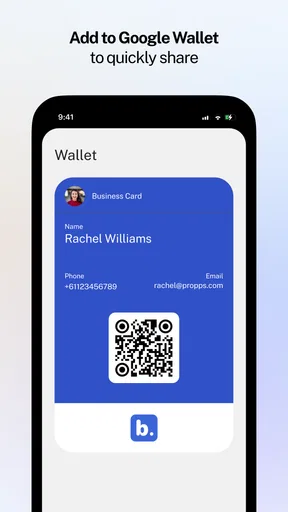
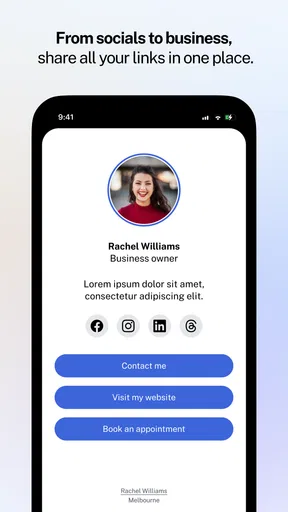
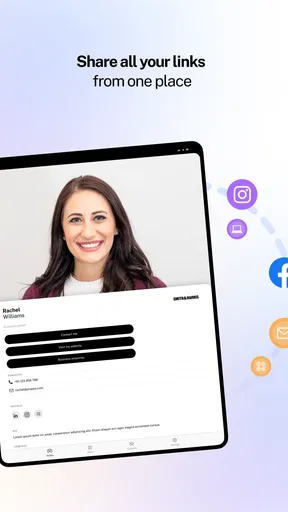
Propps: Digital Business Card is an app for creating and sharing a professional digital profile instead of relying only on printed business cards. After setting up your contact details, job information, social links, branding, and other relevant information, you can share your profile through a link, QR code, or compatible sharing method. Recipients can view your information from their phone without necessarily installing the app.
Can I customize my Propps digital business card?
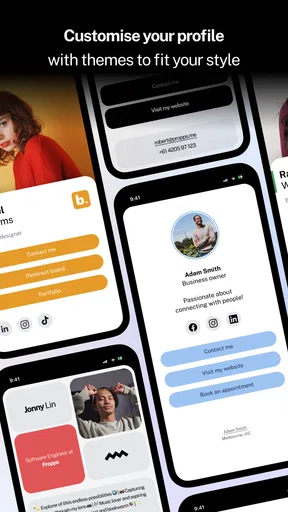
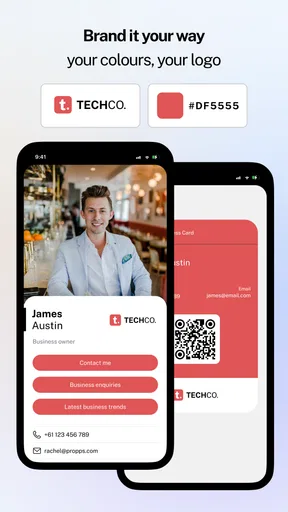
Yes, customization is one of the main reasons to use Propps. You can generally add your name, company, position, profile photo, contact information, website, social media accounts, and other professional links. Depending on the plan and current app version, additional options such as colors, layouts, branding, or card styles may be available. It is worth checking which features are free before creating your final profile.
How can I share my Propps card with another person?
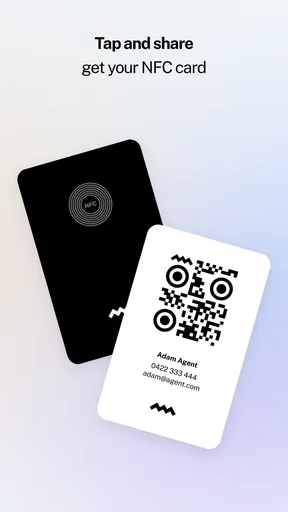
Your Propps card can be shared digitally, making it useful during meetings, networking events, sales visits, and online conversations. Typical sharing options include sending a personal card link, displaying a QR code for scanning, or using your phone’s sharing menu through messaging, email, or social platforms. The recipient usually opens the card in a web browser, which makes sharing convenient even when they do not use Propps.
Is Propps free to download and use?
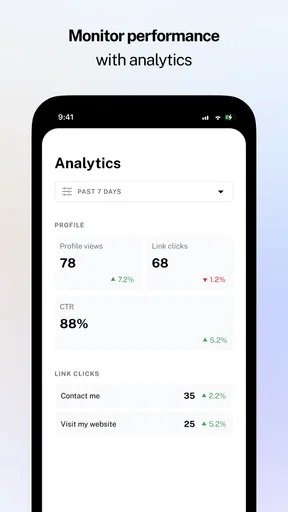
Propps may be available to download at no initial cost, but some features can depend on the subscription or account plan offered by the developer. Basic digital card creation and sharing may be included for free, while advanced customization, analytics, multiple cards, team tools, or business features could require payment. Before downloading, review the app-store listing and in-app pricing so you understand any limits, trials, or recurring charges.
Is my personal and professional information safe on Propps?
Because a digital business card contains contact and professional details, privacy should be considered before publishing your profile. Only add information you are comfortable sharing publicly, and review the card’s visibility and sharing settings carefully. You should also read Propps’ current privacy policy to understand how account data, contact details, analytics, and shared links are handled. Avoid publishing sensitive information such as private addresses or confidential business data.


